Hey there! As a supplier of 3D Scanning CMM (Coordinate Measuring Machine), I've been getting a lot of questions about the measurement stability features of these awesome machines. So, I thought I'd take a few minutes to break it down for you.


First off, let's talk about what measurement stability means in the context of 3D Scanning CMMs. In simple terms, it's all about the ability of the machine to produce consistent and accurate measurements over time. When you're using a 3D Scanning CMM to inspect parts or products, you need to be confident that the results you're getting are reliable. That's where measurement stability comes in.
One of the key features that contributes to measurement stability in 3D Scanning CMMs is the quality of the hardware. At our company, we use high - precision components in the construction of our machines. For example, the linear guides are made from top - notch materials that offer low friction and high rigidity. This means that the scanning head can move smoothly and precisely along the axes, reducing the chances of errors due to mechanical vibrations or misalignments.
Another important aspect is the design of the machine's structure. A well - designed 3D Scanning CMM has a rigid frame that can withstand external forces and environmental factors. Our machines are engineered with a sturdy base and a well - balanced structure. This helps to minimize the effects of temperature changes, humidity, and even minor impacts. You know, in a real - world manufacturing environment, there are all sorts of things that can affect the performance of a measuring machine. But with our robust design, we've got you covered.
Now, let's dive into some of the specific stability features of our 3D Scanning CMMs.
Temperature Compensation
Temperature can have a significant impact on the accuracy of measurements. Metals expand and contract with changes in temperature, which can cause the dimensions of the part being measured and the machine itself to change. Our 3D Scanning CMMs are equipped with advanced temperature compensation systems. These systems use sensors to monitor the temperature of the machine and the surrounding environment. Based on the data collected, the software automatically adjusts the measurement results to account for any thermal expansion or contraction. This ensures that you get accurate measurements, regardless of whether it's a hot summer day or a cold winter morning.
Vibration Isolation
Vibrations can also mess up your measurements. In a factory setting, there are often all kinds of vibrations from machinery, people walking around, or even traffic outside. Our 3D Scanning CMMs are designed with vibration isolation features. We use special mounts and damping materials to reduce the transfer of vibrations to the machine's measuring components. This helps to keep the scanning head stable and ensures that the measurements are not affected by external vibrations. You can check out our Technical Design page to learn more about how we've incorporated these features into our machines.
Software Stability
The software that runs on our 3D Scanning CMMs is just as important as the hardware. Our software is developed with a focus on stability and reliability. It has built - in error - checking routines that constantly monitor the measurement process. If there's an issue, like a sudden change in the measurement data or a problem with the scanning head, the software will alert you right away. Additionally, the software is regularly updated to improve performance and add new features. This means that you can always rely on our 3D Scanning CMMs to provide accurate and consistent measurements.
Calibration and Traceability
Regular calibration is essential for maintaining measurement stability. Our 3D Scanning CMMs are easy to calibrate, and we provide detailed calibration procedures and support. We also ensure that our calibration standards are traceable to national and international standards. This means that you can have full confidence in the accuracy of your measurements. You can use our 3D CAD Drawings to assist in the calibration process and to visualize the parts you're measuring.
Long - Term Stability
We understand that you're making a significant investment when you purchase a 3D Scanning CMM. That's why we've designed our machines to have long - term stability. Our components are made from high - quality materials that are built to last. And with proper maintenance and regular calibration, our 3D Scanning CMMs can provide accurate measurements for many years.
Casting Simulation and Its Role in Stability
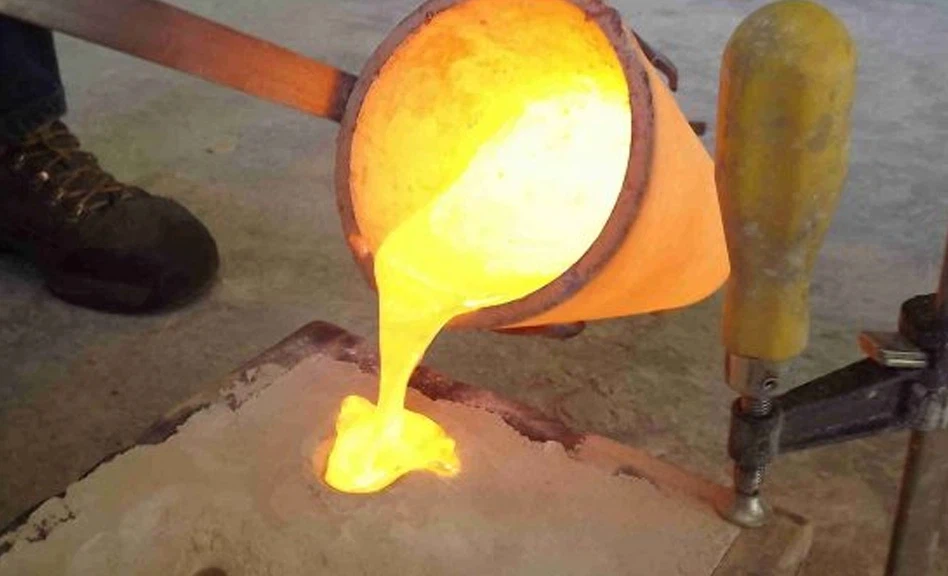
Our 3D Scanning CMMs can also be used in conjunction with Casting Simulation. Casting simulation helps to predict the behavior of molten metal during the casting process. By using our 3D Scanning CMM to measure the actual cast parts, you can compare the results with the simulation data. This allows you to identify any discrepancies and make adjustments to the casting process. The stability of our 3D Scanning CMM ensures that the measurement data used in this comparison is accurate, which in turn helps to improve the overall quality of the cast parts.
In conclusion, the measurement stability features of our 3D Scanning CMMs are what set us apart from the competition. Whether it's temperature compensation, vibration isolation, or software stability, we've got all the bases covered. If you're in the market for a reliable 3D Scanning CMM that can provide accurate and consistent measurements, look no further.
If you're interested in learning more about our 3D Scanning CMMs or want to discuss your specific measurement needs, don't hesitate to reach out. We're here to help you make the right choice for your business.
References
- "Fundamentals of Coordinate Measuring Machines" - A technical guide on CMMs.
- "Advanced Manufacturing Metrology" - A book that covers various aspects of measurement in manufacturing.