Your Leading Heat Treatment Supplier
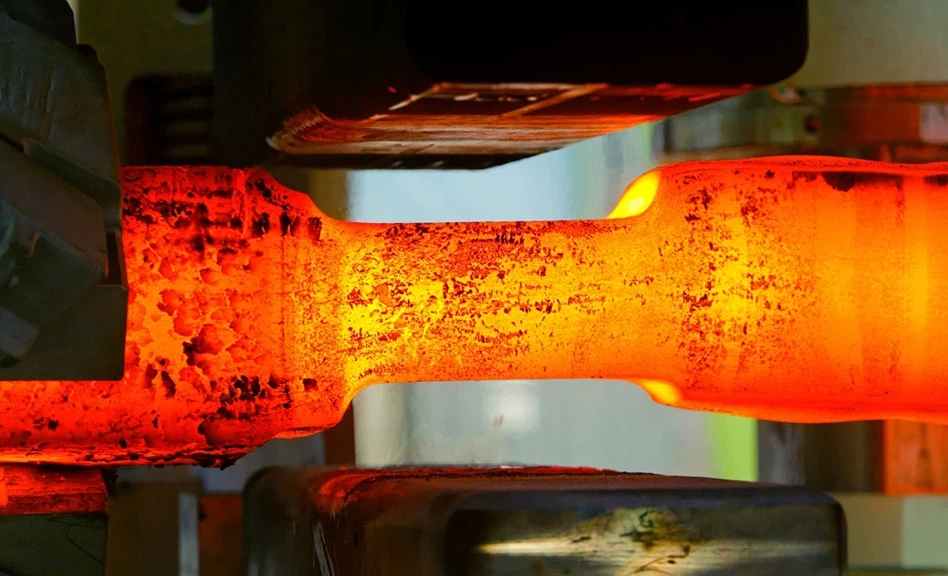
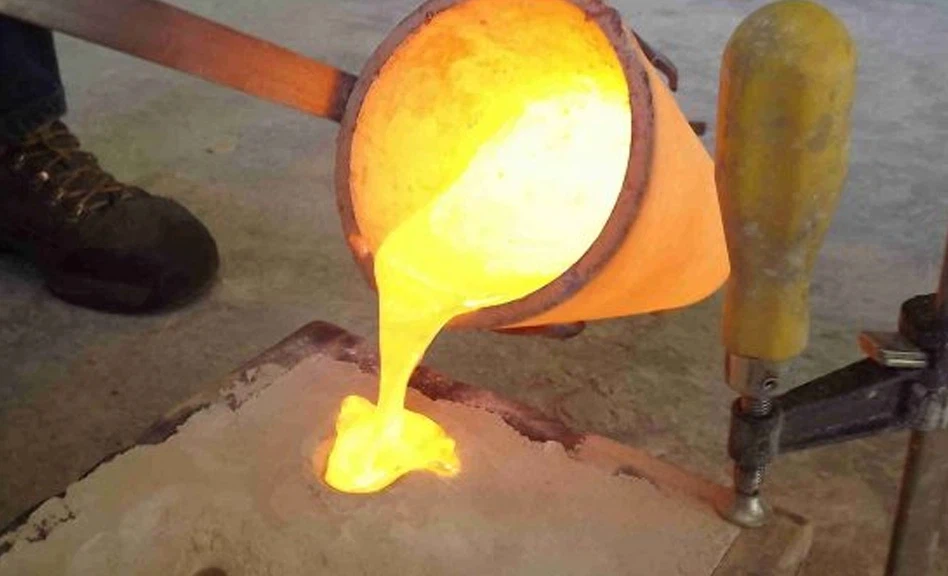
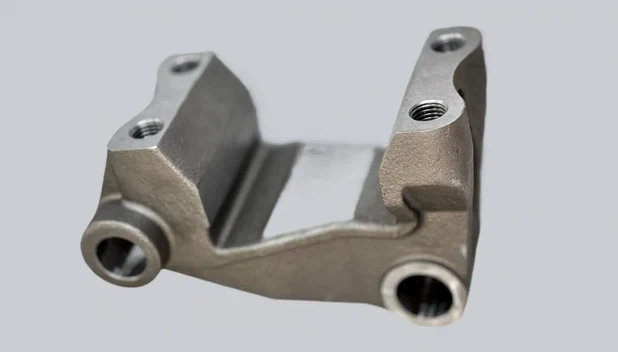
Established in Shanghai in 2014 by industry veteran Johnny Zhao, SQM has become a trusted leader in global procurement for casting and forging. With roots in the foundry industry dating back to 2003, Johnny Zhao built SQM to provide innovative, reliable solutions for industrial manufacturers worldwide. We offer a variety of heat treatments, including steel case hardening, annealing, tempering, quenching, and normalizing. This process is widely used in manufacturing to achieve desired characteristics like increased hardness, strength, ductility, or resistance to wear and corrosion.
-
![Steel Case Hardening]() Steel Case HardeningOur case hardening service increases steel components surface hardness while keeping the core tough. By introducing carbon into the outer layer, it forms a durable, wear-resistant shell that resists
Steel Case HardeningOur case hardening service increases steel components surface hardness while keeping the core tough. By introducing carbon into the outer layer, it forms a durable, wear-resistant shell that resists -
![Annealing Process]() Annealing ProcessAnnealing softens metal by heating it and allowing it to cool slowly. This process relieves internal stresses, making the material more ductile, which is perfect for components that will undergo
Annealing ProcessAnnealing softens metal by heating it and allowing it to cool slowly. This process relieves internal stresses, making the material more ductile, which is perfect for components that will undergo -
![Tempering Process]() Tempering ProcessAfter quenching, tempering is used to reduce brittleness and enhance toughness, ensuring that parts maintain strength while staying flexible enough to handle impact without breaking.
Tempering ProcessAfter quenching, tempering is used to reduce brittleness and enhance toughness, ensuring that parts maintain strength while staying flexible enough to handle impact without breaking. -
![Quenching Process]() Quenching ProcessQuenching rapidly cools heated metal to increase its hardness, making it ideal for parts that need to withstand stress and wear. It's commonly used in industries like automotive and industrial
Quenching ProcessQuenching rapidly cools heated metal to increase its hardness, making it ideal for parts that need to withstand stress and wear. It's commonly used in industries like automotive and industrial -
![Normalizing Process]() Normalizing ProcessOur normalizing process refines the structure and consistency of your metal components, boosting their strength and toughness. This heat treatment process prepares the material for additional
Normalizing ProcessOur normalizing process refines the structure and consistency of your metal components, boosting their strength and toughness. This heat treatment process prepares the material for additional


Why Choose Us?
Professional Team
SQM's engineering and quality control team, consisting of 45 professionals, ensures consistent quality delivery across all projects.
Quality Assurance
SQM strictly complies with internationally recognized quality standards and holds key certifications, including ISO 9001 and TS16949.
Advanced Equipment
Our laboratory is equipped with a wide range of advanced testing equipment, such as spectrometers for chemical analysis, tensile testing machines for mechanical analysis, hardness testers, Charpy impact testing systems, as well as X-ray and magnetic particle inspection (MPI) devices.
Production Market
SQM collaborates with 42 trusted suppliers across China and provides services to more than 130 global industrial equipment manufacturers in Europe and North America.
Types of Heat Treatment
Normalizing Process
Our normalizing process refines the structure and consistency of your metal components, boosting their strength and toughness. This heat treatment process prepares the material for additional processing, ensuring optimal performance in demanding applications.
Quenching Process
Quenching rapidly cools heated metal to increase its hardness, making it ideal for parts that need to withstand stress and wear. It's commonly used in industries like automotive and industrial machinery, where durability is key.
Tempering Process
After quenching, tempering is used to reduce brittleness and enhance toughness, ensuring that parts maintain strength while staying flexible enough to handle impact without breaking.
Annealing Process
Annealing softens metal by heating it and allowing it to cool slowly. This process relieves internal stresses, making the material more ductile, which is perfect for components that will undergo additional shaping or machining.
Steel Case Hardening
Our case hardening service increases steel components surface hardness while keeping the core tough. By introducing carbon into the outer layer, it forms a durable, wear-resistant shell that resists wear and fatigue.
Specifications of Heat Treatment
|
Parameter/model no |
NTI-SJL-54W |
NTI-SJL-98W |
NTI-SJL-300W |
NTI-SJL-400W |
|
Working size |
300x300x600mm |
350x350x800mm |
500x500x1200mm |
500x500x1600mm |
|
Heating element |
Induction heating |
Induction heating |
Induction heating |
Induction heating |
|
Furnace shape |
Horizontal type |
Horizontal type |
Horizontal type |
Horizontal type |
|
HT zone capacity |
54L |
98L |
300L |
400L |
|
Max.working temperature |
2500c |
2500c |
2500c |
2500c |
|
Power input |
380v 3phase 50/60Hz |
380v 3phase 50/60Hz |
380v 3phase 50/60Hz |
380v 3phase 50/60Hz |
|
Working atmosphere |
Argon |
Argon |
Argon |
Argon |
Heat Treatment Process Steps
In simple terms, heat treatment is the process of heating the metal, holding it at that temperature, and then cooling it back. During the process, the metal part will undergo changes in its mechanical properties. This is because the high temperature alters the microstructure of the metal. And microstructure plays an important role in the mechanical properties of a material.

Steps 1. Heating
The microstructure of alloys will change during heat treatment. Heating is carried out in line with a prescribed thermal profile. An alloy may exist in one of three different states when heated. It may either be a mechanical mixture, a solid solution, or a combination of both.

Steps 2. Holding
During the holding or soaking stage, the metal is kept at the achieved temperature. The duration of that depends on the requirements. The soaking time also depends on the material type and part size. Larger parts need more time when uniform properties are the objective. It just takes longer for the core of a large part to reach the required temperature.

Steps 3. Cooling
After the soaking stage is complete, the metal must be cooled in a prescribed manner. It is also possible to use furnaces in the cooling process. The controlled environment allows for high precision when slow cooling is necessary.
Common Materials Suitable for Heat Treatment
Heat-treatable metals are those that can undergo controlled heating and cooling processes to alter their mechanical properties, such as hardness, strength, and toughness. Here are some common heat-treatable metals:
Carbon Steels (medium and high carbon steels, e.g., 1045, 1095).
01
Alloy Steels (e.g., 4140, 4340, 8620).
02
Tool Steels (e.g., A2, D2, O1, M2).
03
Stainless Steels (Martensitic: 410, 420, 440C; Precipitation Hardening: 17-4 PH, 15-5 PH).
04
Cast Irons (Ductile and malleable cast irons).
05
Certificates

Payment Terms
T.T with 30% downpayment, 70%before shipment. Paypal or West Union also accept.
FAQ
We're well-known as one of the leading heat treatment manufacturers and suppliers in China. Please feel free to buy high quality heat treatment from our factory. For customized service, contact us now.
Normalizing Process, Quenching Process, Steel Case HardeningPopular Products