In the realm of engineering and product development, the terms "technical design" and "architectural design" are often used, yet they represent distinct processes with unique focuses and outcomes. As a Technical Design supplier, I've had the privilege of working on a wide range of projects, which has allowed me to gain a deep understanding of the differences between these two crucial design disciplines.
Technical Design: The Nuts and Bolts of Engineering
Technical design is all about the detailed implementation of a concept. It involves translating the broad ideas and requirements into precise specifications and plans that can be used for manufacturing or construction. This process is highly focused on the functionality, performance, and feasibility of a product or system.
At its core, technical design is about solving practical problems. It requires a deep understanding of engineering principles, materials, and manufacturing processes. For example, when designing a mechanical component, a technical designer must consider factors such as stress analysis, material selection, and manufacturing tolerances to ensure that the component will perform as expected under real - world conditions.
One of the key aspects of technical design is the use of advanced tools and technologies. As a Technical Design supplier, we rely on cutting - edge software and equipment to create accurate and detailed designs. For instance, 3D CAD Drawings are an essential part of our technical design process. These drawings allow us to visualize the product in three dimensions, identify potential design flaws early on, and communicate the design to manufacturers and other stakeholders with precision.
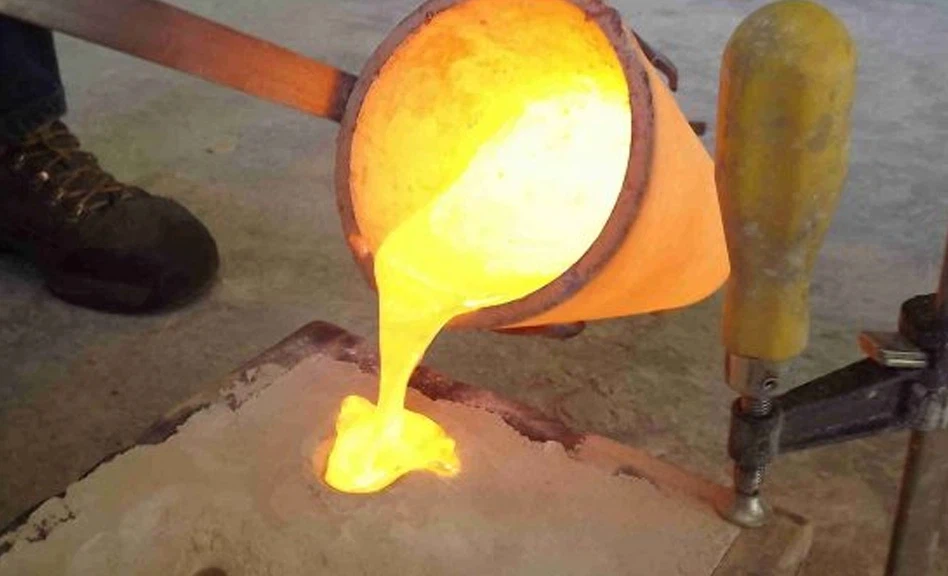
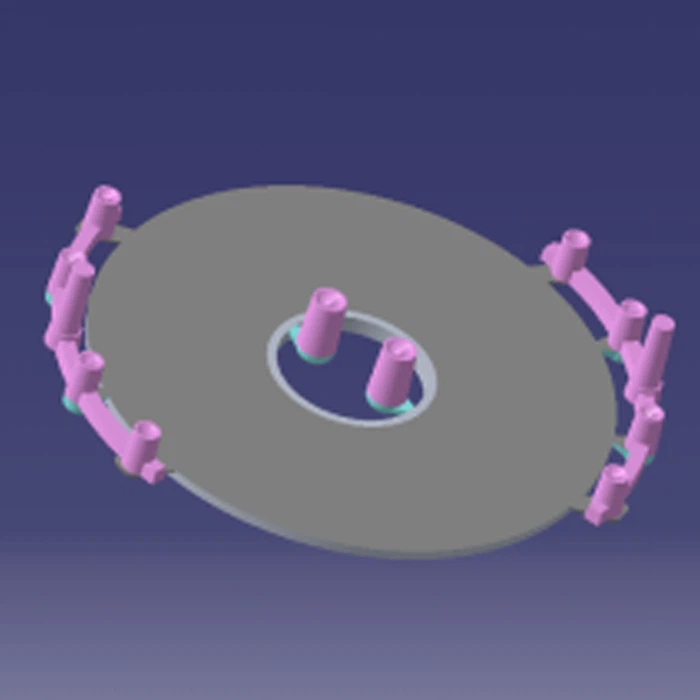
Another important tool in our technical design arsenal is Casting Simulation. This technology enables us to simulate the casting process, predict potential defects such as porosity or shrinkage, and optimize the design to ensure high - quality castings. By using casting simulation, we can save time and money by avoiding costly rework and production delays.
3D Scanning CMM is also a valuable asset in technical design. It allows us to capture the physical dimensions of existing parts or prototypes with high accuracy. This data can then be used for reverse engineering, quality control, or to integrate existing components into a new design.
Architectural Design: The Vision and Aesthetics
Architectural design, on the other hand, is more concerned with the overall vision, functionality, and aesthetics of a building or a large - scale project. It sets the tone and character of a space, taking into account factors such as user experience, environmental impact, and cultural context.
Architectural designers are responsible for creating a harmonious and functional environment. They start with a concept that reflects the client's needs and the site's characteristics. For example, when designing a public library, the architect must consider how to create a space that is both inviting and conducive to learning. This involves decisions about the layout, lighting, and the use of materials to create a comfortable and inspiring atmosphere.
Aesthetics play a significant role in architectural design. The exterior and interior of a building should not only be functional but also visually appealing. Architectural styles can vary widely, from modern and minimalist to traditional and ornate, depending on the project's goals and the client's preferences.
In addition to aesthetics, architectural design also considers the long - term sustainability of a project. Architects are increasingly incorporating green building principles into their designs, such as using energy - efficient materials, maximizing natural light, and implementing rainwater harvesting systems.
Key Differences
Scope and Scale
Technical design typically focuses on individual components or systems within a larger project. It deals with the detailed engineering of parts that will be integrated into a final product. For example, in an automotive project, technical design might involve the design of an engine block or a transmission system.
Architectural design, on the other hand, deals with the overall structure and layout of a building or a complex. It encompasses the entire site, from the building's footprint to the interior spaces and the surrounding landscape.
Timeframe
Technical design often occurs later in the project lifecycle, once the overall concept has been established. It is a more detailed and iterative process that refines the design based on engineering constraints and manufacturing requirements.
Architectural design usually starts at the beginning of a project. It sets the overall direction and provides the framework for the subsequent technical and construction phases.
Skills and Expertise
Technical designers need a strong background in engineering disciplines such as mechanical, electrical, or civil engineering. They are proficient in using engineering software and have a deep understanding of materials and manufacturing processes.
Architectural designers, in contrast, require a combination of artistic, technical, and social skills. They need to be able to visualize spaces, communicate their ideas effectively, and work closely with clients, contractors, and other professionals.

Client Interaction
In technical design, the client may be more involved in the functional requirements and performance specifications. The focus is on ensuring that the design meets the technical standards and the project's goals.
In architectural design, the client is often more involved in the early stages of the project, sharing their vision, needs, and preferences. The architect must translate these into a design that not only meets the functional requirements but also satisfies the client's aesthetic and emotional expectations.
The Interplay between Technical and Architectural Design
Although technical design and architectural design have distinct focuses, they are closely intertwined. A successful project requires a seamless integration of both disciplines.
For example, in a building project, the architect's design must be translated into a set of technical specifications that can be implemented by engineers and contractors. The technical designers need to ensure that the building's structural, mechanical, and electrical systems are compatible with the architectural vision.
At the same time, the architect must be aware of the technical limitations and possibilities. For instance, if a particular architectural feature requires a complex structural solution, the architect and the technical designers need to work together to find a feasible and cost - effective approach.
Conclusion
In conclusion, technical design and architectural design are two essential yet distinct aspects of engineering and construction. Technical design provides the detailed engineering solutions that make a product or system work, while architectural design creates the vision and the aesthetic framework for a project.
As a Technical Design supplier, we understand the importance of both disciplines and the need for close collaboration between technical designers and architects. Our expertise in 3D CAD Drawings, Casting Simulation, and 3D Scanning CMM allows us to provide high - quality technical design solutions that support the overall project goals.
If you are looking for a reliable Technical Design partner for your next project, we invite you to reach out to us. Our team of experienced designers is ready to work with you to turn your ideas into reality. Whether you need detailed component design, engineering analysis, or manufacturing support, we have the skills and resources to meet your needs. Contact us today to start a discussion about your project requirements.
References
- Designing Buildings Wiki. (n.d.). Architectural Design. Designing Buildings Wiki.
- Engineering.com. (n.d.). Technical Design in Engineering. Engineering.com.
- Green Building Council. (n.d.). Sustainable Architectural Design Principles. Green Building Council.