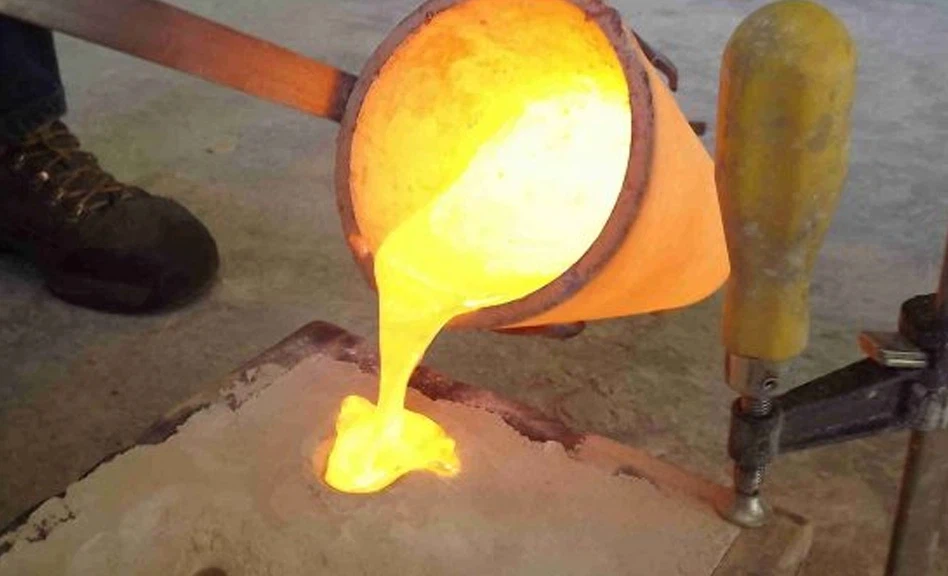
Forging is a manufacturing process that involves shaping metal using compressive forces. As a forging supplier, we are well - versed in the intricacies of this industry, from Closed Die Forging and Open Die Forging to Cold Forging. However, an often - overlooked aspect of forging is waste management. In this blog, we will delve into the forging waste management process, exploring its importance, the types of waste generated, and the steps involved in effectively managing this waste.
Importance of Forging Waste Management
Efficient waste management in forging is crucial for several reasons. Firstly, it is an environmental imperative. The forging process can generate significant amounts of waste, including metal scraps, slag, and used lubricants. If not properly managed, these waste materials can contaminate soil, water, and air, causing long - term environmental damage. By implementing a comprehensive waste management process, we can minimize our environmental footprint and contribute to a more sustainable future.
Secondly, waste management is economically beneficial. Metal scraps, which are a major by - product of forging, can often be recycled. Recycling these scraps reduces the need for virgin materials, which are not only expensive to extract and process but also have a high environmental impact. By selling recycled metal, forging suppliers can generate additional revenue and reduce production costs.
Finally, proper waste management is essential for regulatory compliance. Governments around the world have implemented strict environmental regulations to control the disposal of industrial waste. Failure to comply with these regulations can result in hefty fines and damage to a company's reputation.
Types of Forging Waste
Metal Scraps
One of the most common types of waste in forging is metal scraps. These scraps are generated during various stages of the forging process, such as trimming, machining, and cutting. Metal scraps can be further classified into two categories: clean scraps and contaminated scraps. Clean scraps are free from impurities and can be easily recycled. Contaminated scraps, on the other hand, may contain oil, grease, or other contaminants and require additional processing before recycling.
Slag
Slag is a by - product of the melting process in forging. It is formed when impurities in the metal, such as sulfur, phosphorus, and non - metallic inclusions, react with fluxes and form a molten layer on top of the metal. Slag contains a significant amount of metal oxides and other compounds, and its proper disposal is essential to prevent environmental pollution.


Used Lubricants
Lubricants are used in forging to reduce friction between the metal and the dies, improve the surface finish of the forged parts, and extend the life of the dies. Over time, these lubricants become contaminated with metal particles, dirt, and other impurities, and need to be replaced. Used lubricants are considered hazardous waste and require special handling and disposal procedures.
Dust and Fumes
The forging process also generates dust and fumes, which can be harmful to human health if inhaled. Dust may contain metal particles, while fumes can contain toxic gases such as carbon monoxide, nitrogen oxides, and sulfur dioxide. Effective ventilation systems are required to control the emission of dust and fumes and protect the health of workers.
The Forging Waste Management Process
Waste Generation and Segregation
The first step in the forging waste management process is waste generation and segregation. At our forging facility, we ensure that waste is segregated at the source. This means that different types of waste, such as metal scraps, slag, used lubricants, and dust, are collected separately. Segregation makes it easier to recycle or dispose of the waste later on. For example, clean metal scraps can be directly sent for recycling, while contaminated scraps may need to be cleaned first.
Recycling of Metal Scraps
Recycling is a key component of our waste management strategy. We have established partnerships with reliable recycling companies that specialize in processing metal scraps. Before sending the scraps for recycling, we conduct a quality check to ensure that they meet the required standards. The recycling process typically involves melting the scraps and re - using the metal to produce new forged parts. This not only reduces the demand for virgin materials but also saves energy.
Treatment of Slag
Slag treatment is a complex process that aims to recover valuable metals from the slag and reduce its environmental impact. We use advanced slag treatment technologies, such as dry granulation and wet processing, to extract metals such as iron, manganese, and chromium from the slag. The remaining slag can then be used in other industries, such as construction, as a substitute for cement or aggregate.
Disposal of Used Lubricants
Used lubricants are a hazardous waste, and their disposal must comply with strict environmental regulations. We work with licensed waste disposal companies that have the expertise and equipment to handle and dispose of used lubricants safely. These companies may recycle the lubricants by removing the contaminants and re - using them, or they may dispose of them in an environmentally friendly manner, such as through incineration.
Control of Dust and Fumes
To control the emission of dust and fumes, we have installed state - of - the - art ventilation systems in our forging facility. These systems capture dust and fumes at the source and filter them before releasing them into the atmosphere. We also conduct regular maintenance of these systems to ensure their efficient operation. In addition, we provide our workers with personal protective equipment, such as respirators, to protect them from inhaling harmful dust and fumes.
Monitoring and Continuous Improvement
The forging waste management process is not a one - time activity but an ongoing process that requires continuous monitoring and improvement. We regularly monitor our waste generation rates, recycling rates, and environmental performance indicators. Based on the data collected, we identify areas for improvement and implement corrective actions. For example, if we notice an increase in the amount of contaminated metal scraps, we may review our production processes to reduce the generation of such waste.
Conclusion
In conclusion, forging waste management is a critical aspect of the forging industry. As a forging supplier, we are committed to implementing a comprehensive waste management process that minimizes our environmental impact, maximizes resource efficiency, and ensures regulatory compliance. By effectively managing our waste, we not only contribute to a more sustainable future but also enhance our economic competitiveness.
If you are in the market for high - quality forged products and are interested in partnering with a supplier that values environmental responsibility and efficient waste management, we invite you to contact us for a procurement discussion. We look forward to the opportunity to work with you and meet your forging needs.
References
- ASM Handbook, Volume 14A: Metalworking: Forging. ASM International.
- "Environmental Management in the Forging Industry" by various industry experts, published in leading forging and environmental journals.
- Local and national environmental regulations related to industrial waste management.