Hey there! As a die casting supplier, I often get asked about the role of die casting in the construction industry. It's a topic that's super interesting, and I'm stoked to share my insights with you all.
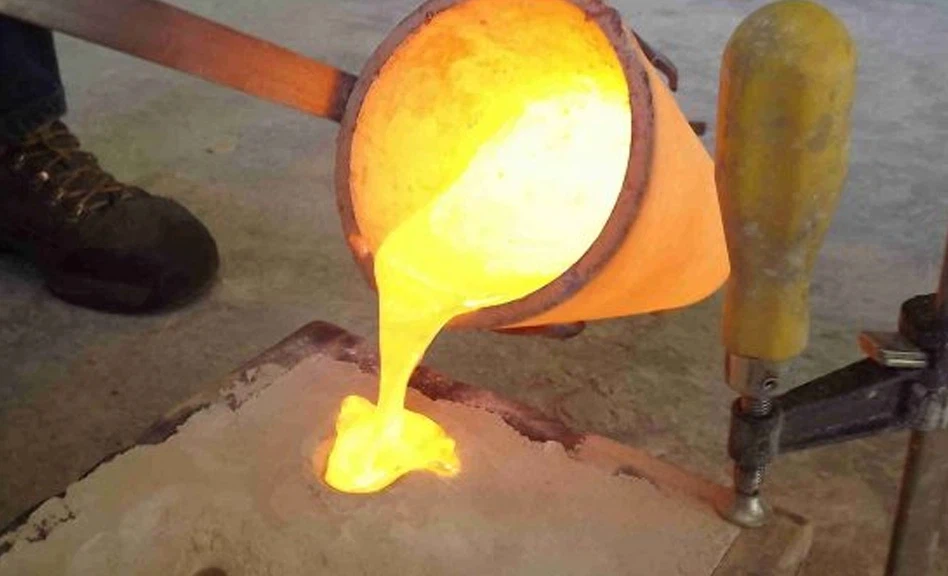
So, first off, what exactly is die casting? Well, it's a manufacturing process where molten metal is forced into a mold cavity under high pressure. This creates parts with high precision and a nice surface finish. There are other casting methods out there, like Sand Casting and Investment Casting, but die casting has its own unique advantages, which makes it a favorite in many industries, including construction.
One of the key roles of die casting in the construction industry is to produce high - quality, durable components. In construction, you need parts that can withstand a lot of wear and tear. Die casting allows us to use metals like aluminum, zinc, and magnesium, which are known for their strength and corrosion resistance. For example, aluminum die - cast parts are lightweight yet strong, making them ideal for construction applications where weight is a concern, like in curtain walls or lightweight building frames.
Another great thing about die casting is the precision it offers. In construction, dimensions matter a lot. Even a small deviation can cause big problems during installation. With die casting, we can create parts with very tight tolerances. This means that the parts fit together perfectly, which speeds up the construction process and reduces the need for on - site adjustments. Whether it's a small hinge or a large structural component, die casting ensures that the parts meet the exact specifications.
Cost - effectiveness is also a major factor. Die casting can be a relatively inexpensive way to produce large quantities of parts. Once the mold is created, the actual manufacturing process is quite fast. This high production rate helps to keep the cost per part relatively low. For construction projects, which often require a large number of components, this cost - saving aspect is really important. It allows construction companies to stick to their budgets without sacrificing quality.
Let's talk about some specific applications of die - cast parts in construction. One obvious application is in door and window hardware. Things like handles, locks, and hinges are often die - cast. These parts need to be strong enough to withstand daily use and also look good. Die casting can produce these parts with a smooth finish and in a variety of shapes and sizes.
In addition, die - cast parts are used in building facades. For example, decorative elements on the exterior of a building can be made through die casting. These elements can add a lot of aesthetic value to the building while still being functional. They can be designed to match the overall architectural style of the project.
Structural components are another area where die casting shines. In some modern buildings, die - cast parts are used to reinforce the structure. These parts can distribute stress evenly, making the building more stable and safe. For instance, some high - rise buildings use die - cast connectors to join different structural elements together.


Now, compared to other casting methods, die casting has some clear advantages. Sand Casting, for example, is a more traditional method. While it's great for producing large, simple parts, it may not be as precise as die casting. The surface finish of sand - cast parts is often rougher, which may require additional finishing processes. And the production rate is generally slower compared to die casting.
Investment Casting is known for its high level of detail and the ability to create complex shapes. However, it can be more expensive, especially for large - scale production. Die casting strikes a good balance between precision, cost, and production speed, which makes it a great choice for many construction applications.
As a die casting supplier, I've seen firsthand how die - cast parts have improved construction projects. We work closely with our clients to understand their needs and design the right parts for them. Whether it's a small renovation project or a large - scale commercial building, we can provide the high - quality die - cast components they need.
If you're in the construction industry and looking for reliable die - cast parts, I'd love to have a chat with you. We've got the expertise and the facilities to produce top - notch components that meet your specific requirements. You can explore more about Die Casting on our website to get a better understanding of our capabilities.
In conclusion, die casting plays a crucial role in the construction industry. It provides durable, precise, and cost - effective components that are essential for building high - quality structures. Whether it's for functionality or aesthetics, die - cast parts have become an integral part of modern construction. So, if you're involved in a construction project and need die - cast parts, don't hesitate to reach out. Let's work together to make your project a success!
References
- General knowledge of die casting and construction industry applications
- Industry reports and case studies on the use of die - cast parts in construction