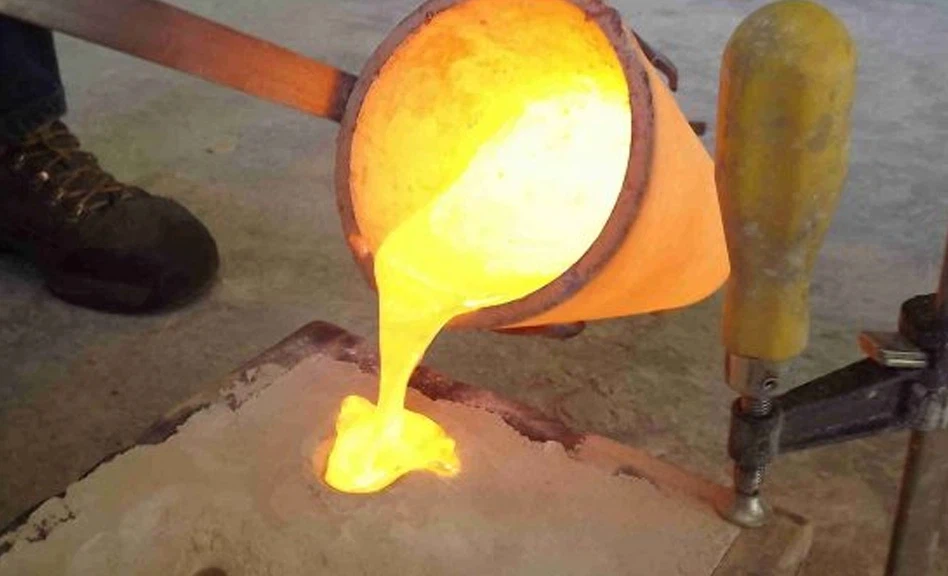
Yo, what's up everyone! I'm a supplier in the metal drawing biz, and today I wanna chat about all the cool applications of metal drawing in the electronics industry. Metal drawing is a super important process that helps shape all sorts of metal parts we use in our daily electronic devices. So, let's dive right in!
First off, let's quickly go over what metal drawing is. Metal drawing is a manufacturing process where a metal workpiece is pulled through a die to reduce its cross - section and increase its length. It's a pretty nifty way to create precise metal components. You can learn more about it on this Metal Drawing page.
One of the most common applications of metal drawing in the electronics industry is for making battery cases. Batteries are the powerhouses of our electronic devices, and they need a sturdy and well - formed case to protect them. Metal - drawn battery cases offer excellent durability and can be customized to fit different battery sizes and shapes. For example, in smartphones, the battery cases are often made through metal drawing. The process allows for a high - precision fit, ensuring that the battery is securely held in place and protected from external impacts.


Another big area is the production of connectors. Connectors are used to link different parts of an electronic device together, like the connection between a motherboard and a hard drive. Metal drawing can create connectors with very precise dimensions. This precision is crucial because even a tiny misalignment can lead to poor electrical conductivity or even device failure. The smooth surface finish achieved through metal drawing also helps in reducing signal interference, which is super important for high - speed data transfer in modern electronics. Check out Metal Piercing if you're interested in related processes that might be used in conjunction with metal drawing for connector production.
Heat sinks are also commonly made using metal drawing. Heat sinks are essential in electronics to dissipate heat generated by components like CPUs and GPUs. Metal - drawn heat sinks can have complex fin structures that maximize the surface area for heat transfer. The ability to draw metals into thin, yet strong, fins allows for efficient heat dissipation, keeping our electronic devices from overheating. This is especially important in high - performance devices like gaming laptops and servers.
In the world of consumer electronics, metal drawing is used to make the casings of devices such as laptops, tablets, and smartwatches. These casings not only provide physical protection but also contribute to the overall aesthetic appeal of the product. Metal - drawn casings can have a sleek and modern look, which is highly desirable in the consumer market. The process can also create thin - walled casings, which helps in reducing the weight of the device without sacrificing strength.
Now, let's talk about some of the benefits that metal drawing brings to the electronics industry. One major advantage is cost - effectiveness. Once the initial tooling is set up, metal drawing can produce large quantities of parts at a relatively low cost per unit. This is great for electronics manufacturers who need to produce high - volume products.
Precision is another huge benefit. As I mentioned earlier, the electronics industry demands high - precision components, and metal drawing can deliver that. The process can achieve tight tolerances, ensuring that each part meets the exact specifications required for proper device function.
Metal drawing also offers a wide range of material options. You can use different metals like aluminum, copper, and stainless steel, each with its own unique properties. For example, aluminum is lightweight and has good corrosion resistance, making it a popular choice for many electronic applications. Copper, on the other hand, has excellent electrical conductivity, which is ideal for connectors and other electrical components.
When it comes to the production process, metal drawing can be combined with other processes like Metal Blanking to create more complex parts. Metal blanking is used to cut out flat pieces of metal from a larger sheet, which can then be further shaped through metal drawing. This combination allows for greater flexibility in part design and production.
If you're an electronics manufacturer or someone involved in the procurement of metal parts for electronic devices, you know how important it is to have a reliable supplier. That's where I come in. As a metal drawing supplier, I've got the experience and expertise to provide you with high - quality metal - drawn parts that meet your exact requirements. Whether you need battery cases, connectors, heat sinks, or device casings, I can help.
I understand the unique demands of the electronics industry, and I'm committed to delivering parts that are not only precise but also cost - effective. I use the latest technology and techniques in metal drawing to ensure that you get the best possible product.
So, if you're interested in discussing your metal drawing needs for the electronics industry, don't hesitate to reach out. We can have a chat about your specific requirements, and I'll work with you to come up with the perfect solution. Whether you're looking for a one - time order or a long - term supply agreement, I'm here to help.
In conclusion, metal drawing plays a vital role in the electronics industry. From battery cases to connectors and heat sinks, it's an essential process that enables the production of high - quality electronic devices. If you're in the market for metal - drawn parts for your electronics products, give me a shout. I'm ready to be your go - to metal drawing supplier.
References
- Various industry reports on electronics manufacturing and metalworking processes.
- Technical literature on metal drawing and related metal - forming techniques.